
Lessons learnt from a failed NFT project

After launching an unsuccessful NFT project towards the end of the bull market, I can confidently inform you that many, if not most NFTs (98%) are terrible investments, I must confess.
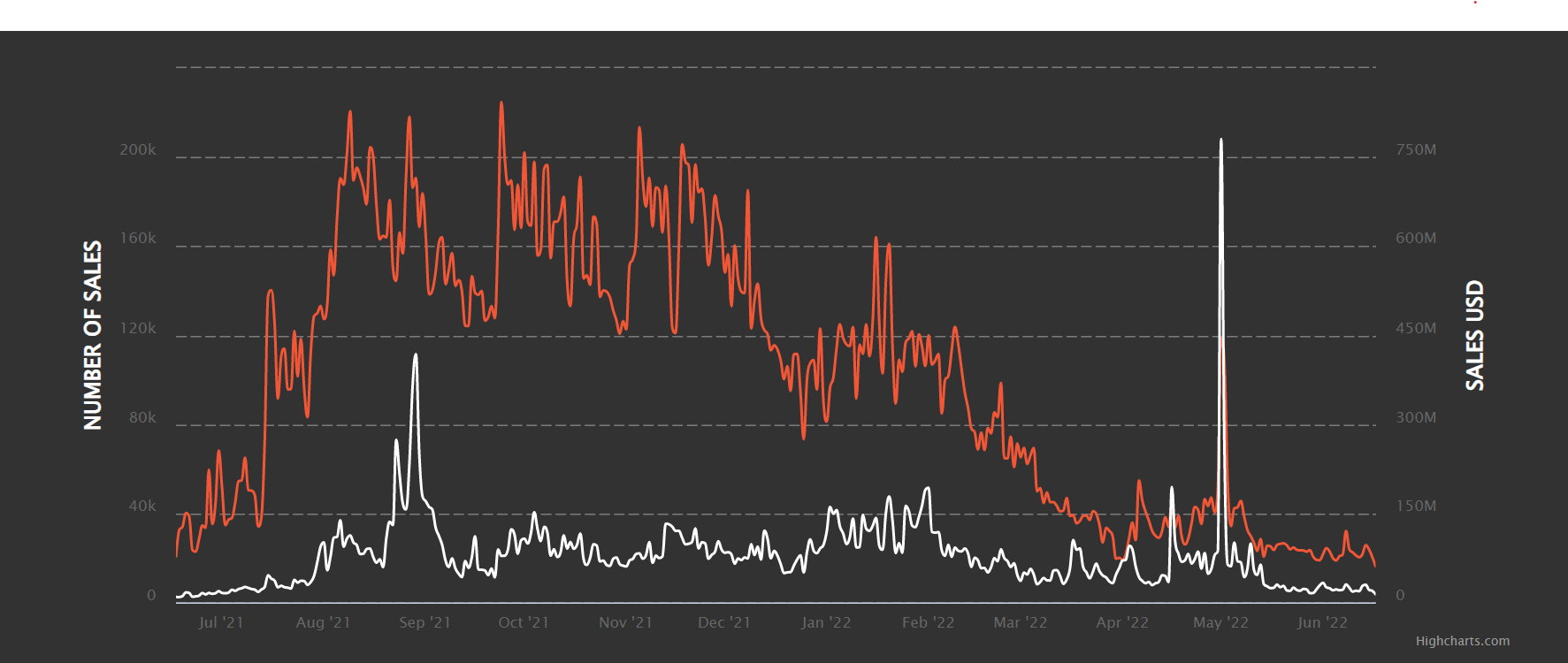
Even with the current NFT sales plummeting, I still believe that many physical things will be replicated on the blockchain but in the case of my project and drawing from the lessons I learnt, I have had to come to the difficult conclusion that it was merely a pipe dream that intended to ride the trend with an incapable team.
One of the most important things I learnt is that ALL team members MUST have monetary skin in the game. If not, they take it like chores. The team is essential, they must be talented professionals and not just people trying to figure out what NFTs are.
When you buy an NFT, essentially you’re investing in the creators of the NFT brand, not the NFT itself. This is why the capability of the team is important and why they are folks with experience in the real world. Those of us that have worked IRL are aware of what it takes to build a brand (time and effort) and to create strong intellectual property.
It is not something one does in ones 'free time.' It needs 100% dedication!
The value of an NFT is based on four primary factors; utility, history, brand recognition, and liquidity premium.
Does the NFT offer something desirable?
Does it or will it have historical significance?
Are the creators building a brand?
Can it be sold easily? (liquidity)
Ultimately, the market always determines the value of the NFT.
NFT utility is how it is used such as tokens used in gaming or ticketing for concerts or membership card to a club. High ownership value also play a role if the token is created by a famous person or a popular brand name. The future value involves the speculation of where the NFT will move over time based on the roadmap and its implementation. Finally, liquidity premium refers to how much demand there is for the NFT especially within the niche the project is targeting.
It is NOT about the art! It is about filling a certain void in your target market. Its about serving a certain demographic.
Its about invoking a certain feeling. For instance, BAYC NFT targets an underground hypebeast crowd, Coolcats NFT hits the family/ fun crowd and Doodles NFT another fun/ happy/ colorful project announced Pharrell Williams record producer and musician of the popular song ‘happy’ as its chief brand officer, with a NFT inspired album coming soon.
It’s all about the branding! Advisable to start a project by identifying the niche you want to serve and the feeling/vibes you want to portray and market relentlessly to them over a length of time (long term view).
The marketing has to be professional, capable to paint and sell a vision of the future of the project. Have a marketing plan and execute accordingly through a combination of hype, fomo, scarcity, building in public, etc.
There is a reason marketing is a full time job and not something one can just invent on the fly which is why communication MUST be bang on. This alone will make or break the project. How well are you communicating in a coherent manner? How often? Can you speak well? How conversant/well read are you on crypto/NFT topics? Are you engaging and interesting? People can often tell when they hear bullshit especially regarding cryptocurrency/NFT technical knowledge. Did you do your homework? Are you reading articles, books and writeups on said topic? How well do you know the industry?
The teams’ number one goal should be to deliver value to supporters and would be supporters. How are you creating VALUE? If the answer is through the 'community,' then your NFT will derive value when people believe/trust in the team and the project.
Trust is key here. How are you building trust? Is there trust between team members?
The moment people sense a low trust environment, they lose their trust in the project by not committing with their wallets or they dump the project down the drain.
These are some of the things I learnt. Hope you learn from my failure and loss of funds. On to the next!
See you tomorrow!
- Ope